
Polishing & cosmetic finishing
Care starts
at the surface.
Understand the material. Examine the wear. Establish whether cosmetic finishing is a suitable next step.
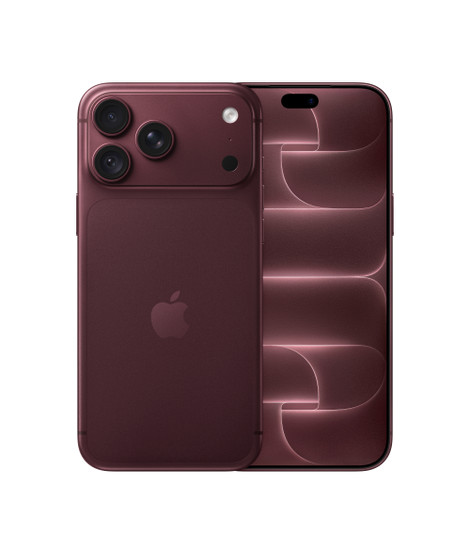
Surface explorer
Different materials.
Different limits.
Select the closest starting point. This guide helps prepare your enquiry; it does not establish suitability.
Coatings change
the conversation.
A mark may be on a protector, coating or the glass itself. Cosmetic work must account for the actual surface and existing condition.
- Include
- Exact model, affected surface, protector and coating history.
- Look for
- Scratches, chips, cracks and any display or touch symptoms.
- Understand
- Abrasive products can diminish fingerprint-resistant coatings. Suitability and possible results depend on the exact surface and condition.
The finish is part
of the material.
Coloured, plated and coated surfaces need to be distinguished from bare metal. Removing material can change the original appearance.
- Include
- Exact model, frame colour and photographs of the affected area.
- Look for
- Scuffs, exposed base material, dents and previous finishing work.
- Understand
- Cosmetic finishing cannot be assumed to restore colour, coating or original geometry.
Start with
the repair brief.
Cracks, chips, bent frames, display faults and touch issues call for a repair assessment rather than a cosmetic-only discussion.
- Include
- Exact model, damage history and what still works.
- Separate
- Visible glass damage from the display image and touch response.
- Next step
- Use the symptom guide to collect the details without assuming the cause.
Manufacturer guidance: Apple on cleaning, abrasives and surface coatings. Manufacturer guidance provides context; suitability still requires a model-specific review.
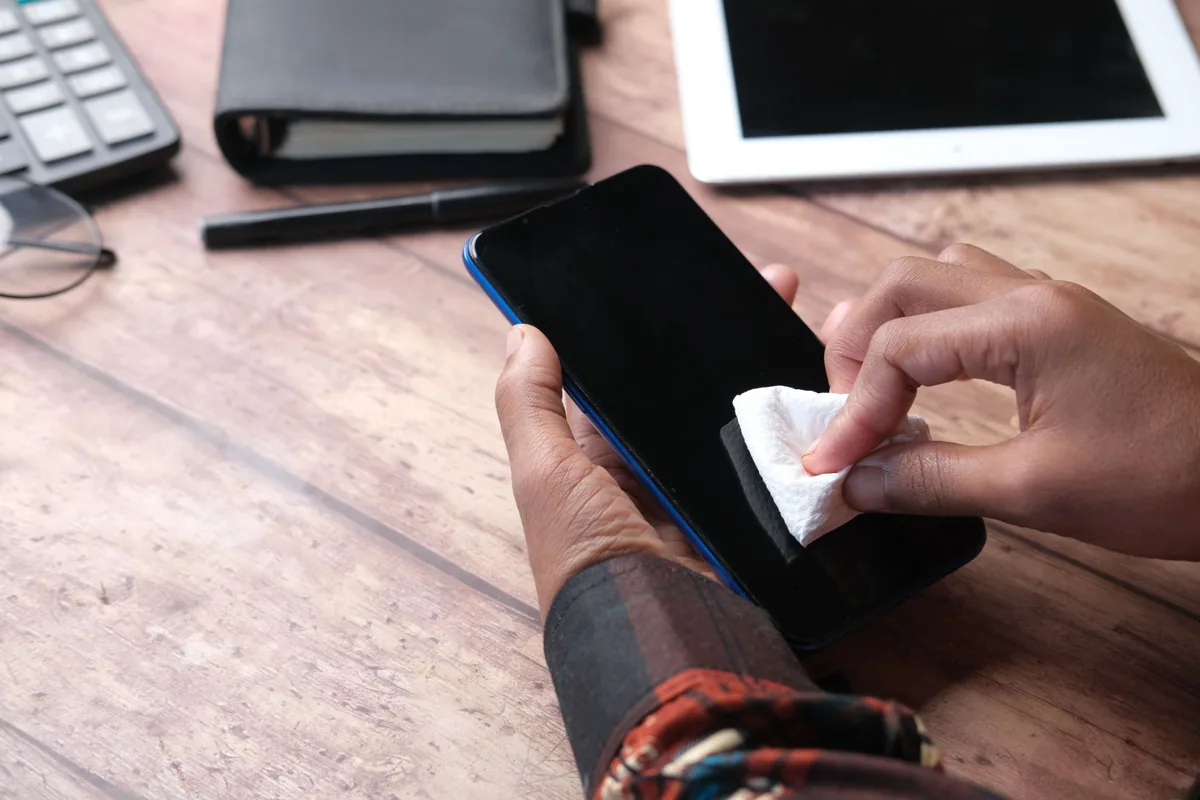
Inspect before finishing
Know what
you are working with.
Describe the current surface before discussing the desired finish. Record existing wear and functional condition, then agree the scope and its limitations.
A useful first enquiry
Show the detail.
Keep the context.
Photographs that help
Include a wider view of the device and a clear close-up of the affected surface. Ordinary lighting helps show both finish and wear without filters.
Condition that matters
Tell us about cracks, chips, dents, prior work and any display or touch issues. Mention protectors or coatings you know about.
Scope before work
Suitability, the proposed finish and limitations must be reviewed directly. An assessment can lead to a different service recommendation.
Useful answers
Before you get in touch.
Find the details that matter to your device or business.
Can every phone surface be polished?
No. Suitability depends on the model, material, coatings and type of wear. A process appropriate for an uncoated metal surface may be inappropriate for coated glass or a coloured finish. A model-specific assessment is needed.
Will polishing repair a cracked screen?
Cosmetic finishing is not a repair for cracks, chips, structural damage, display faults or touch problems. Describe those issues through the refurbishing and screen-repair enquiry.
Why do coatings matter?
Glass can have fingerprint-resistant or other surface coatings. Abrasive products can diminish coatings and create scratches. Share any screen protector or known coating history; do not assume polishing is harmless.
Which photographs are useful?
Send the exact model and clear photographs of the affected area in ordinary light, with one wider view for context. Describe whether the mark can be felt, whether there is a crack or chip, and whether the device works normally.
Can you guarantee a like-new finish?
The starting condition and material limit the possible work. Outcomes and limitations need to be discussed after assessment; the website does not guarantee scratch removal or restoration to a new condition.
No matching questions. Try another phrase or view all questions.
Start with the details
Start with the surface.
Exact model. Current condition. Your requirements.